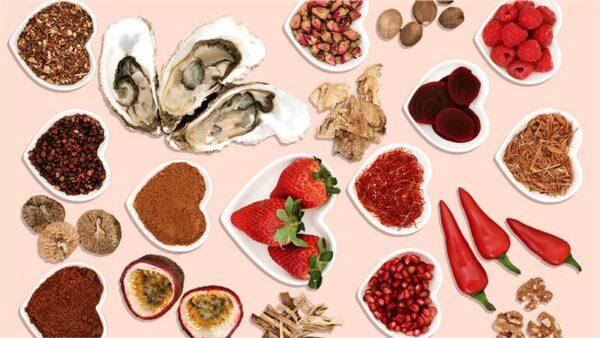

You’ve probably heard that the way to a man’s heart is through his stomach. But are some foods naturally more romantic than others?
Aphrodisiacs have long been believed to increase libido in one way or another, but the science behind it is murky. While animal studies have shown promising results, studies on humans don’t have definitive conclusions. Some research suggests that aphrodisiacs are likely effective because of the placebo effect, while others believe they contain “feel good” compounds, represent fertility, or look suggestive.
Valentine’s Day 2026: 25 chains serving up deals for love (and snacks)
For example, chili peppers have capsaicin which can enhance bodily sensations, and pomegranates and strawberries have antioxidants which can help improve blood flow. Fish roe and caviar represent fertility to some, and are often thought of as decadent and luxurious. And other foods, such as oysters and asparagus, can resemble intimate body parts.
Here are some foods commonly regarded as aphrodisiacs.
Dark chocolate
Cacao is rich in phenylethylamine (sometimes known as the “love drug”), which triggers excitement; tryptophan, which aids serotonin production; and antioxidants, which improve blood circulation. The higher the cocoa content, the higher the libido-boosting compounds (meaning dark chocolate is more effective than milk). No wonder it’s a popular Valentine’s Day gift.
Figs
In ancient Greek and Roman cultures, figs were associated with fertility and love. The fruit is also rich in iron, potassium, calcium and antioxidants, which can boost energy, improve blood flow and balance hormones.
Honey
Ever wondered where the term “honeymoon” came from? It stems from an ancient tradition where newlyweds drank honey-based mead for a month to encourage fertility and luck. Honey contains boron, which may help regulate hormone levels, and contributes to nitric oxide production, essential for arousal.
Oysters
Oysters are an excellent source of zinc, which can increase testosterone levels and dopamine levels. Eating just one oyster provides more than half of the recommended daily allowance of zinc for adults.
Pistachios
Pistachios are high in L-arginine, an amino acid that dilates blood vessels to improve blood flow.
Strawberries
Despite strawberries not being in season, the fruit has become synonymous with Valentine’s Day, in part due to its red, heart-shaped appearance. High in vitamin C and antioxidants, strawberries can support blood flow.
Watermelon
Some call the summertime fruit “Nature’s Viagra” because it is rich in citrulline, an amino acid known to relax and dilate blood vessels.