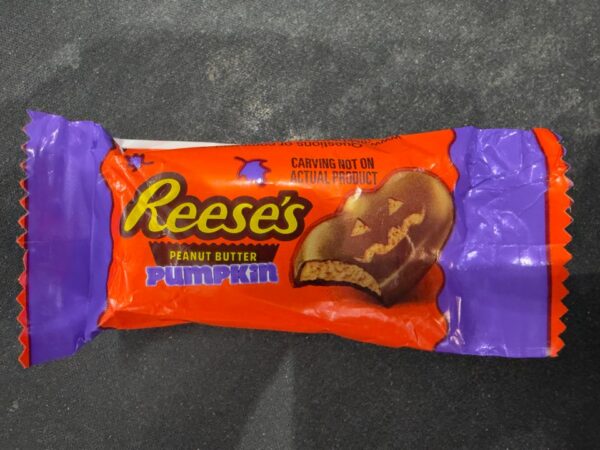
The Hershey Company has added a new disclaimer to packages of Reese’s Peanut Butter Pumpkins, warning that the image on the wrapper is not exactly what customers should expect to find inside.
Right next to the product image, which features a Reese’s Peanut Butter Pumpkin carved like a jack-o-lantern, is text that reads, “Carving not on actual product,” according to a package obtained by Nexstar’s WHTM.
A representative for Hershey was not immediately available to comment on the reason for the change.
The best Starbucks ground coffee deals on Amazon
The new disclaimer, however, comes years after a woman in Florida tried to sue the Hershey Company for $5 million because pumpkin-shaped Reese’s don’t actually have the carved faces shown on the packaging. The plaintiff had filed the 2023 lawsuit as a class-action “on behalf of herself and all other similarly situated individuals who purchased a Reese’s Peanut Butter product based on false and deceptive advertising.”
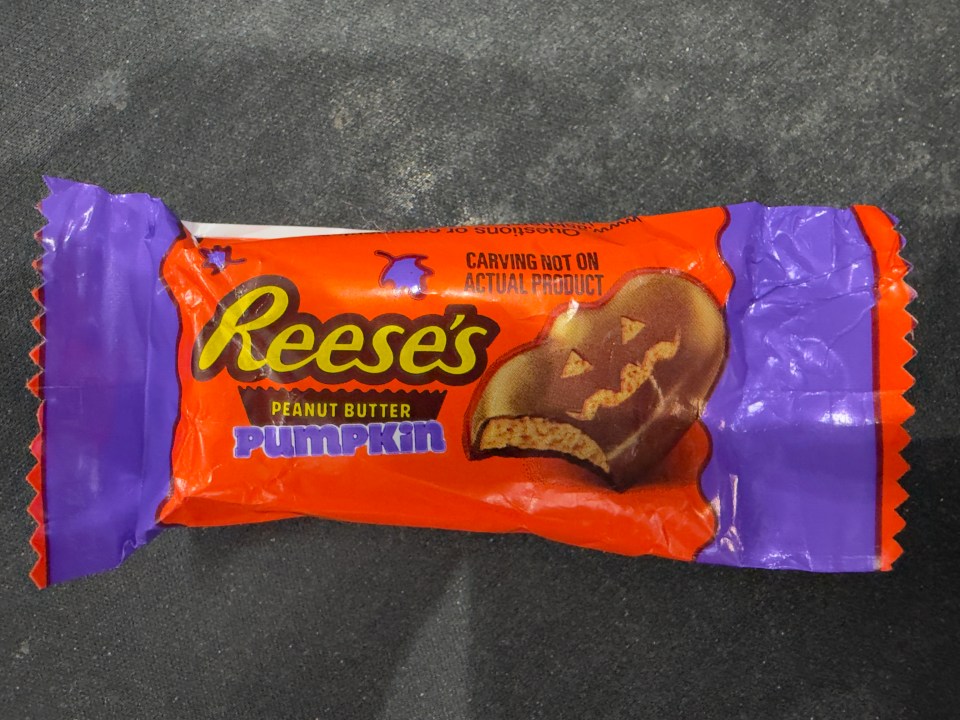
In the lawsuit, the woman also pointed to several other Reese’s products (candies shaped like bats, ghosts and footballs) that did not exactly resemble the product on the packaging.
A judge ultimately tossed out the lawsuit against Hershey, saying consumers’ disappointment didn’t amount to quantifiable economic losses that could be claimed in court. Another proposed class-action lawsuit, filed against Hershey in 2024 over nearly identical grievances, was dismissed after a judge determined the plaintiffs did not show that they paid any kind of premium for the Peanut Butter Pumpkins, nor that the candies were “defective or worthless or that they lost all economic value because of the absence of the decorative carvings,” Reuters reported. Hershey had also argued in court that the packaging contained language that indicated the carved candy was a “decorating suggestion,” according to the outlet.
Trader Joe’s unveils Halloween totes: How to get one
An attorney for a group of plaintiffs had said last year that they planned to amend their complaint, CBS News reported at the time.
“We believe that companies should not be awarded with sales when they falsely represent the main characteristic of the product and only have to pay damages if it can be shown that the consumers paid a premium,” attorney Anthony Russo said.
SavorNation is reader-supported and may earn an affiliate commission.