Those Thanksgiving leftovers in your fridge (if there are any) are starting to get a bit suspicious.
Leftover turkey, while appetizing, should be consumed within three to four days after Thanksgiving dinner, food safety experts with the Centers for Disease Control and Prevention (CDC), the Food and Drug Administration (FDA) and the U.S. Department of Agriculture (USDA) advise.
“This means you have until the Monday after Thanksgiving to eat all those delicious leftovers or place them in the freezer to enjoy later,” reads guidance from FoodSafety.gov, which compiles information from the three agencies.
Turkey left in the fridge for longer than four days “can become unsafe,” according to FoodSafety.gov. This is because refrigerators, which are great at extending the shelf life of fresh and cooked foods, can only slow the growth of bacteria — not stop it.
Guy Fieri thinks these holiday dishes are ‘overrated’
Some of these bacteria may lead to spoilage, which can affect the taste, quality, smell or texture of foods, and won’t necessarily make anyone sick. But certain pathogenic bacteria can also grow, posing risk of illness if consumed. The USDA’s Food Safety Inspection Service warns specifically that listeria monocytogenes, the bacteria that causes listeria poisoning, “will multiply in the refrigerator” if it’s present within improperly cooked turkey.
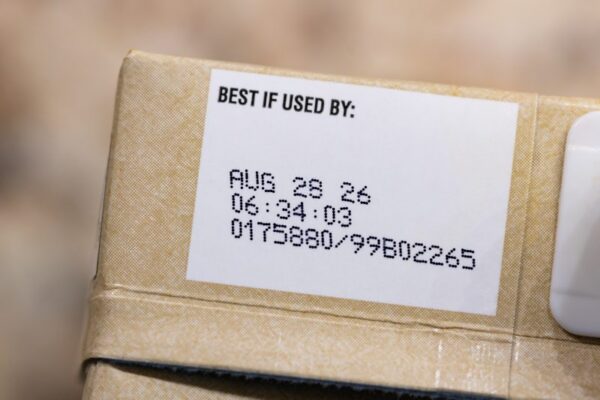
If you can’t finish all of your turkey by today, it’s best to freeze whatever cooked leftovers you want to keep, the USDA recommends in its “Let’s Talk Turkey” guide. Cooked turkey stored at 0 degrees F (or lower) can keep “indefinitely,” but should be eaten within two to six months for “best quality,” the agency recommends.
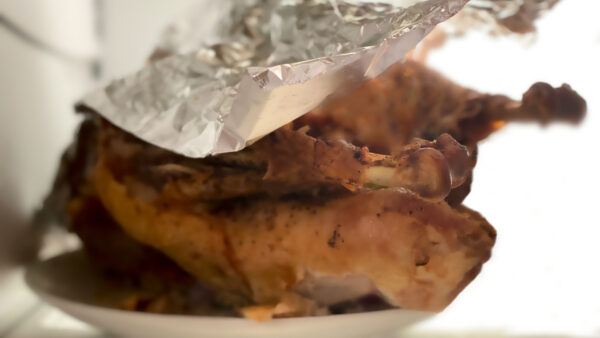
When reheating, FoodSafety.gov recommends bringing leftovers back to a temperature of 165 degrees F, ideally while covered so the turkey “retains moisture and ensures that food will heat all the way through.”
“The moist heat that is created will help destroy harmful bacteria and will ensure uniform cooking,” reads guidance from FoodSafety.gov.