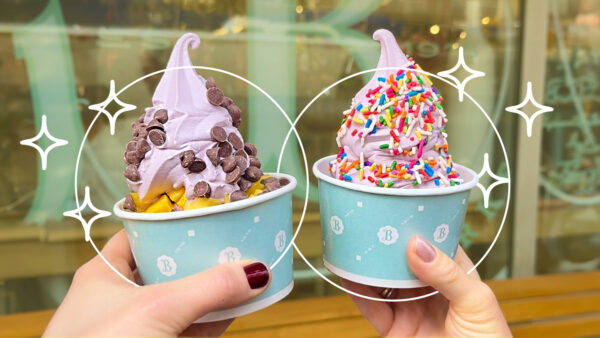

Frozen yogurt is the “it” girl this summer — but it’s not the new girl.
A Google Trends report published June 23 found that U.S. searches for “Frozen yogurt nyc” are up 120% in the past 90 days, with search particularly concentrated on the East Coast. Frozen yogurt shops have been popping up all over NYC in recent months, drawing long lines and a frenzy on social media.
This isn’t the first time froyo has had the limelight. The low-fat diet craze of the 1980s — and possibly the Reagan recession — catalyzed the first froyo fad, with TCBY opening more than 100 locations in just three years since its founding in 1981. Interest in froyo died down before a resurgence of interest in 2007, driven by the rise of Pinkberry — and possibly the Great Recession. In the mid-2010s, froyo again dwindled in popularity.
The best deals on Ninja’s frozen treat and drink makers
And now, froyo, often touted as a healthier, protein-packed dessert option, is everywhere. It’s a natural continuation of the “Ozempic-era” high-protein trend that boomed in January, and is now the latest viral yogurt-based food. (Dry yogurt was all the rage in 2024, and two-ingredient Japanese cheesecake was the recipe to make in January.)
But for some, the froyo boom carries a worrisome economic outlook: Many believe it’s a recession indicator. According to the World Economic Forum’s May 2026 economic outlook survey, 89% of chief economists expect the global economy to slow down over the next 12 months, although 58% of those surveyed do not expect a recession to begin in the next year.
TikTok users are increasingly posting about froyo, with users such as @niafromNYC and @alexaschimel recently launching series showcasing various froyo spots in NYC. In January, Birdie’s debuted; in March, Van Leeuwen launched froyo and Mimi’s opened its second location; in April, both MYKA and Go Greek opened their first NYC locations; in May, MYKA opened its second NYC spot; and in June, MYKA again expanded and Mythos opened its first NYC shop.
Frozen yogurt’s big comeback
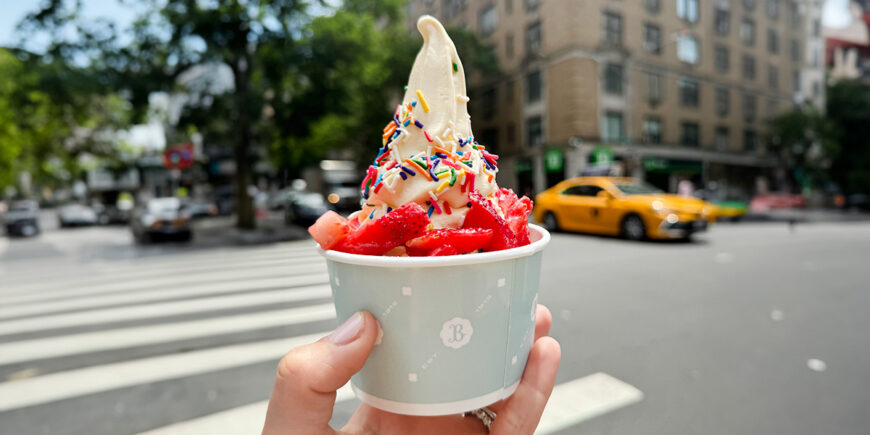
But the super-saturated froyo market in NYC isn’t necessarily a bad thing, said Joelle Obsatz, CMO of Butterfield Market, a third generation family-run business that’s been selling frozen yogurt since 2008. An increase in competition has resulted in longer lines for Butterfield, she noted. In fact, Butterfield sold 39,899 units just in June alone.
“From our perspective, frozen yogurt has always been trending, but there just happens to be a lot more of it now,” she said.
Obsatz said that since 2008, Butterfield Market has had lines from the end of February through the beginning of November. The original four flavors from 2008 — plain, chocolate, peanut butter and coffee — are still served today. Sprinkles, pistachio drizzle and fresh fruit are among the most popular toppings, according to Obsatz.
Viking’s ‘fan favorites’ are coveted kitchen musts
Gino Ammirati, co-owner of Culture An American Yogurt Company, said that post-Covid, sales have been rising year over year for his froyo company.
“I think more and more people began to realize what it is we do and the uniqueness of what we provide,” he said. “Lines out the front door tend to bring even more people and more media, and it snowballs from there.”
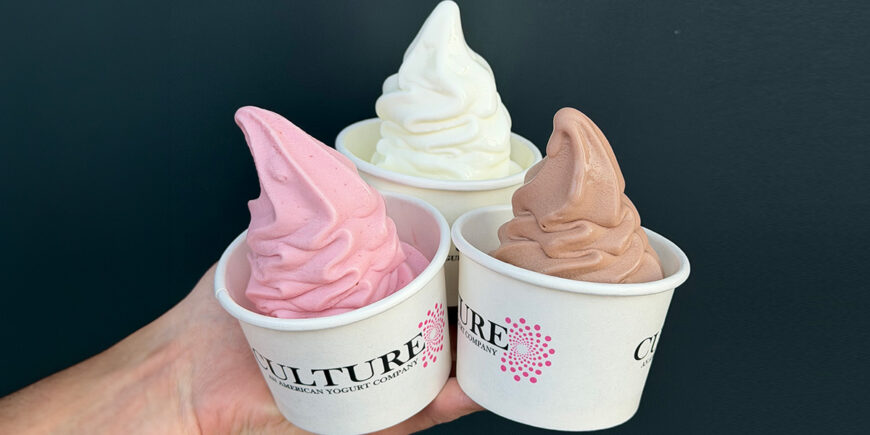
Ammirati started Culture with his wife, Jenny, in 2011, creating a frozen yogurt shop where everything is made from scratch: They add cultures to milk to turn it into yogurt, strain it to create Greek yogurt, and then turn that into frozen yogurt. The couple opened a second location of Culture in 2013 and are working on a third location, expected to open in the third or fourth quarter of this year.
Ammirati thinks the uptick in froyo demand is likely facilitated by social media and an interest in healthy eating, noting that more recently customers have been asking for unsweetened frozen yogurt flavors.
“People like to have a sweet treat, but they don’t want to feel the guilt of what happens afterward, where you’re done, and you feel like, ‘Did I really need that?’ or ‘Was that really that good for me?’ or ‘Should I have done that?’” he said. “I don’t think you get that as much from a real frozen yogurt that you would perhaps from some other dessert.”