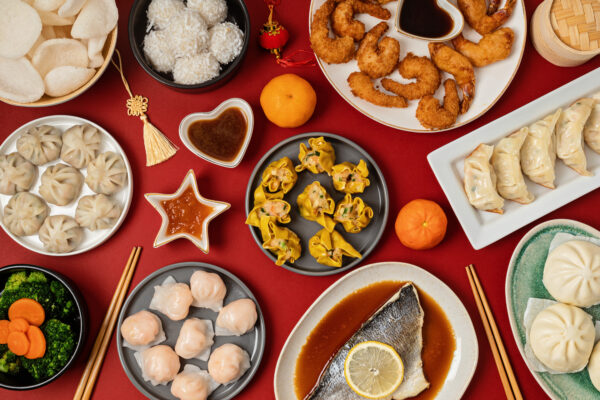

The Year of the Horse begins Feb. 17, believed to bring with it a fast-paced, high-energy period of rapid change, action and breakthroughs. The Lunar New Year is a two-week celebration focused on family reunions, honoring ancestors and bringing good fortune. And like most holidays, the Lunar New Year has a rich food culture.
Lunar New Year’s Eve, Feb. 16, is when many families gather and eat foods believed to bring luck and prosperity in the New Year. Much of the symbolic foods are based on wordplay, either meaning or sounding like words of good fortune, and vary depending on the region or country.
Benefits of protein in your diet with Registered Dietitian Molly Barnes
I-Ting Chao, the director of Chapman University’s Chinese program, breaks down the foods often eaten for Lunar New Year.
“I think the golden rule for Lunar New Year eating — if it’s red, round, or sounds like money, people eat it,” she said, noting that many of the foods represent wealth. “And it’s not just a meal. It’s an edible prayer for the coming year — for yourself, your family, your visitors and your guests.”
Dumplings
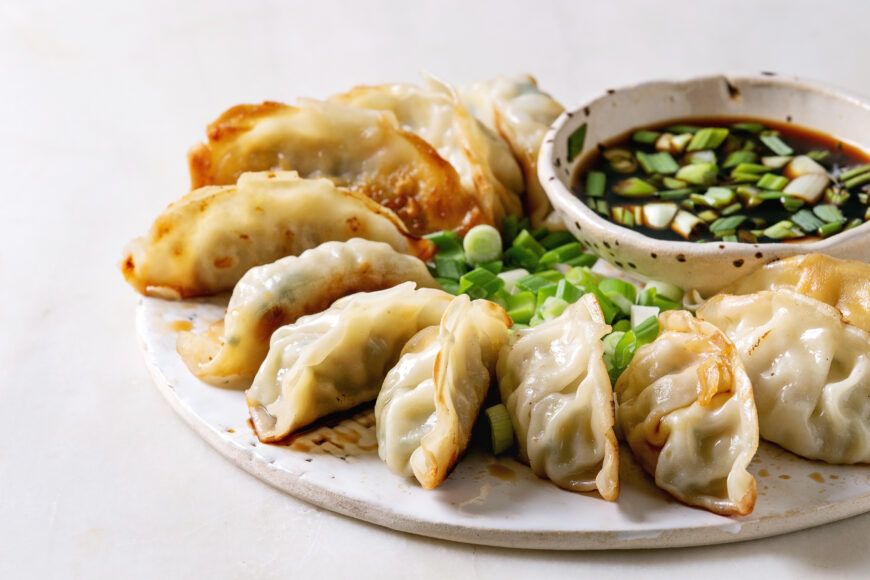
In Northern China, dumplings, often filled with pork plus cabbage or chives, are a popular Lunar New Year food because they’re shaped like ancient Chinese gold ingots.
“Legend says that the more dumplings you eat, the more money you’ll make in the new year,” Chao said.
Chao noted that her family likes to eat the dumplings at midnight on New Year’s Eve and hide a few coins inside some of the dumplings. Whoever receives a dumpling with a coin gets extra red envelope money. Red envelopes are often given by elders to children for good fortune and wealth during the New Year.
Wheat-based dishes, such as noodles, dumplings and buns, are predominantly eaten in Northern China, whereas rice-based dishes are more prevalent in Southern China due to differences in agriculture, Chao explained.
Whole fish
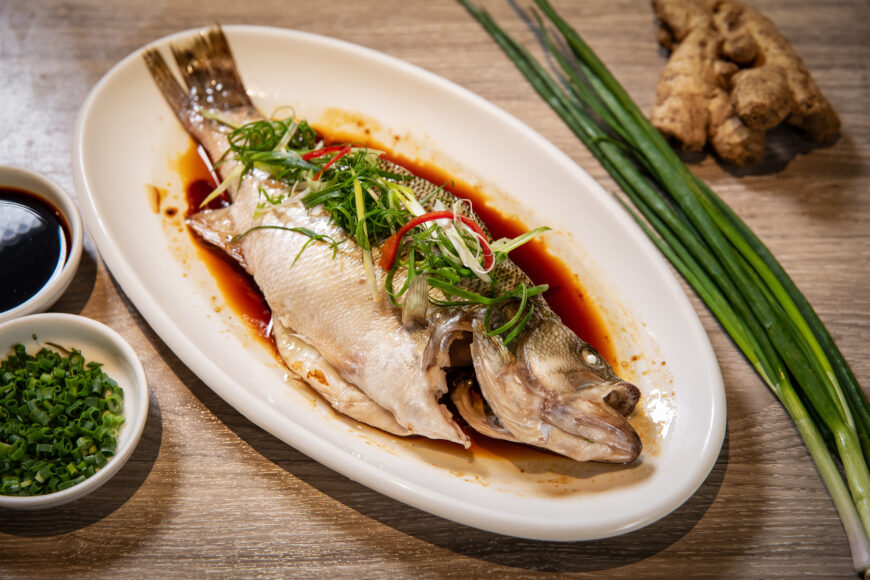
A whole fish represents surplus and abundance because the Chinese word for “fish” sounds exactly like the Chinese word for “surplus.” But the fish isn’t eaten all in one sitting; leaving leftovers symbolizes that your wealth will overflow into the next year and that you will always have surplus, Chao said.
In Taiwan, pomfret is the most common whole fish eaten for Lunar New Year because the name of the fish means “prosperity.”
Sticky rice cake

The symbolism behind sticky rice cakes is also due to wordplay. The Chinese name for sticky rice cake is nian gao, with “nian” meaning “year” and “gao” meaning “tall.”
Trader Joe’s Annual Customer Choice Awards: See if your favorites made the cut
“Basically it symbolizes getting a promotion, or for kids, growing taller, or just in general, doing better next year,” Chao said.
Tangerine and pineapple
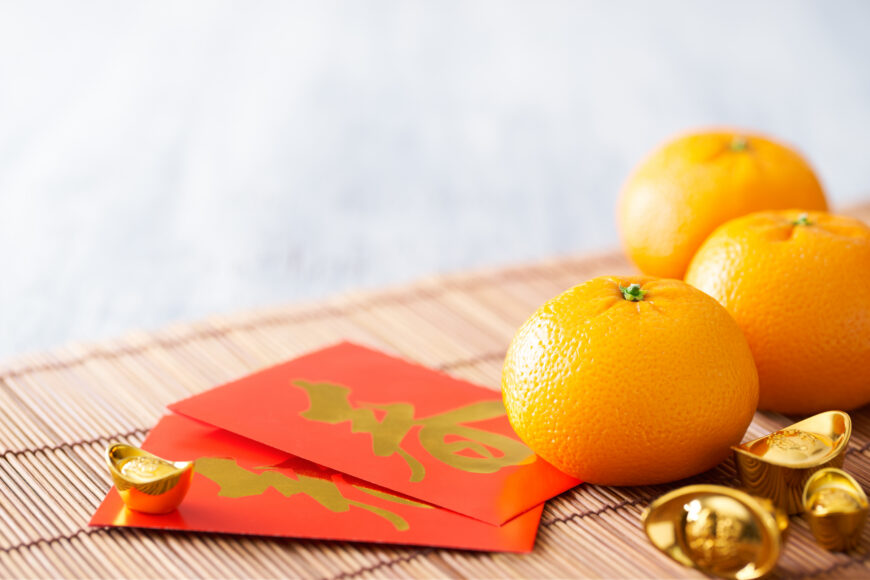
In Taiwan, people often decorate with and eat tangerines because the word sounds like “prosperity.” Another popular fruit is pineapple because the word for pineapple in the Taiwanese dialect sounds like “fortune comes.”
Turnip cake
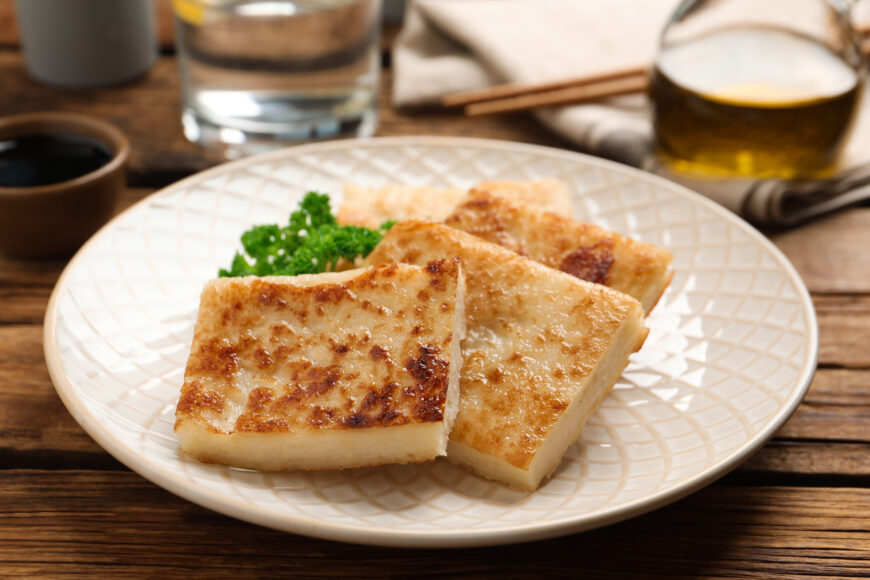
Pan-fried or steamed, this dim sum staple is often eaten in Taiwan for Lunar New Year because the word for it in the Taiwanese dialect sounds like “good luck” or “good sign.”
Hot pot
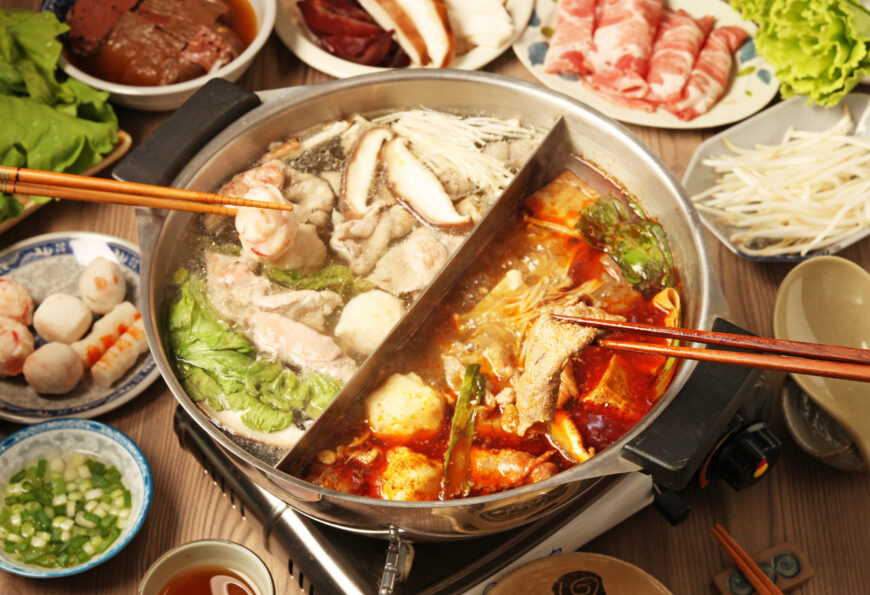
Many families in Taiwan will make hot pot for the Lunar New Year celebration, particularly during New Year’s Eve. The word for hot pot in Chinese, “lu,” is part of the phrase “wei lu,” which is a symbol of unity and refers to families sitting together around a pot.
“It signifies the warmth and togetherness of the family,” Chao said. “So hot pot is round, the table is round, the round is unity, harmony, togetherness.”
Yee sang
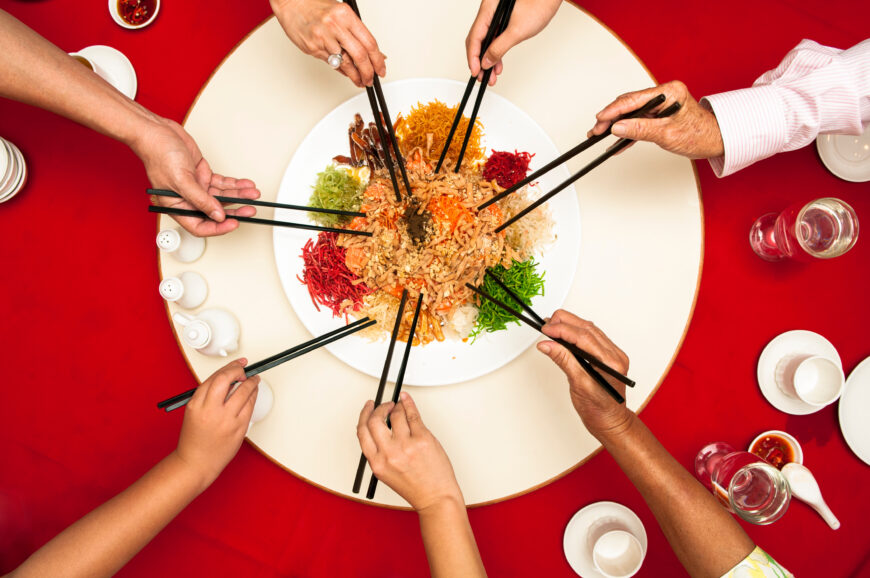
In Singapore and Malaysia, people often eat yee sang in celebration of the New Year. Translating to “the prosperity toss,” people stick their chopsticks into a dish of raw fish salad and toss it as high as possible while they shout out auspicious phrases.
“The higher you toss, the higher your fortune will rise,” Chao said.
Pineapple tarts
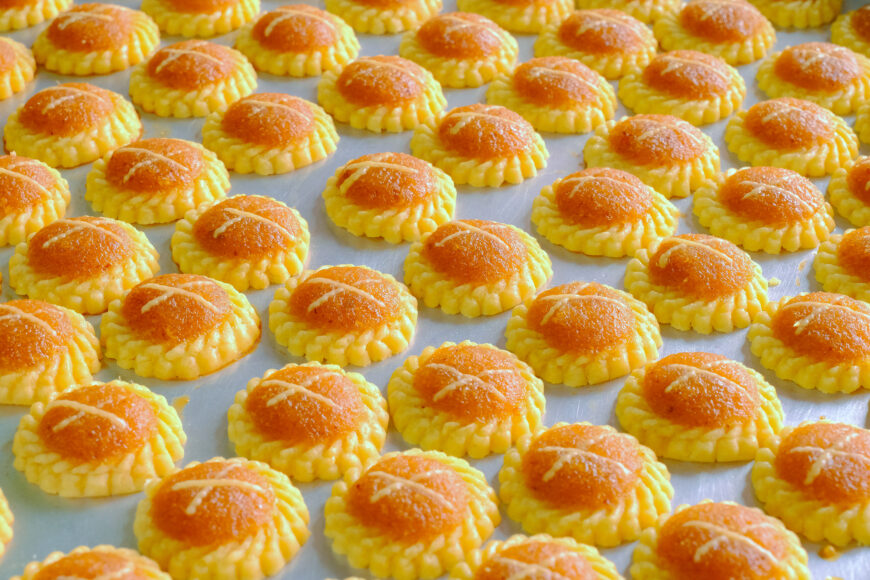
Pineapple tarts are also commonly eaten in Singapore and Malaysia for the New Year. Because pineapple jam is a golden color, it represents gold and luck, symbolizing wealth in the new year.